
The infrastructure for locally led climate action
across Asia.
The Stakes
The risk is no longer distant. The case for adaptation has never been stronger.
By the numbers
Adaptation is not a cost. It is the highest-return investment available to the region.
of GDP at risk by 2050 in the most exposed Asian economies under current policies — with the lowest-income, hottest countries hit hardest. Source: World Bank, Jobs in a Changing Climate, 2025.
the equivalent of "more and better-paid jobs" projected to be lost across low- and middle-income countries by 2050 without intervention. Source: World Bank, 2025.
people displaced by climate disasters in Asia Pacific in 2024 — more than half the global total. Source: IDMC, Global Report on Internal Displacement 2025.
Who we are
Asia is the region most exposed to climate shocks and the region with the largest reservoir of solutions already in motion. We build the architecture to connect the two.
We equip frontline organisations. We embed gender into delivery. We move capital to where outcomes hold. Locally led solutions don't just survive. They scale.
What We Do
Three pillars. One architecture.
We strengthen frontline organisations, build the workforce Asia's transition depends on, and embed gender as the multiplier that determines whether outcomes hold.

01 — Climate Resilience
Strengthening Frontline Adaptation
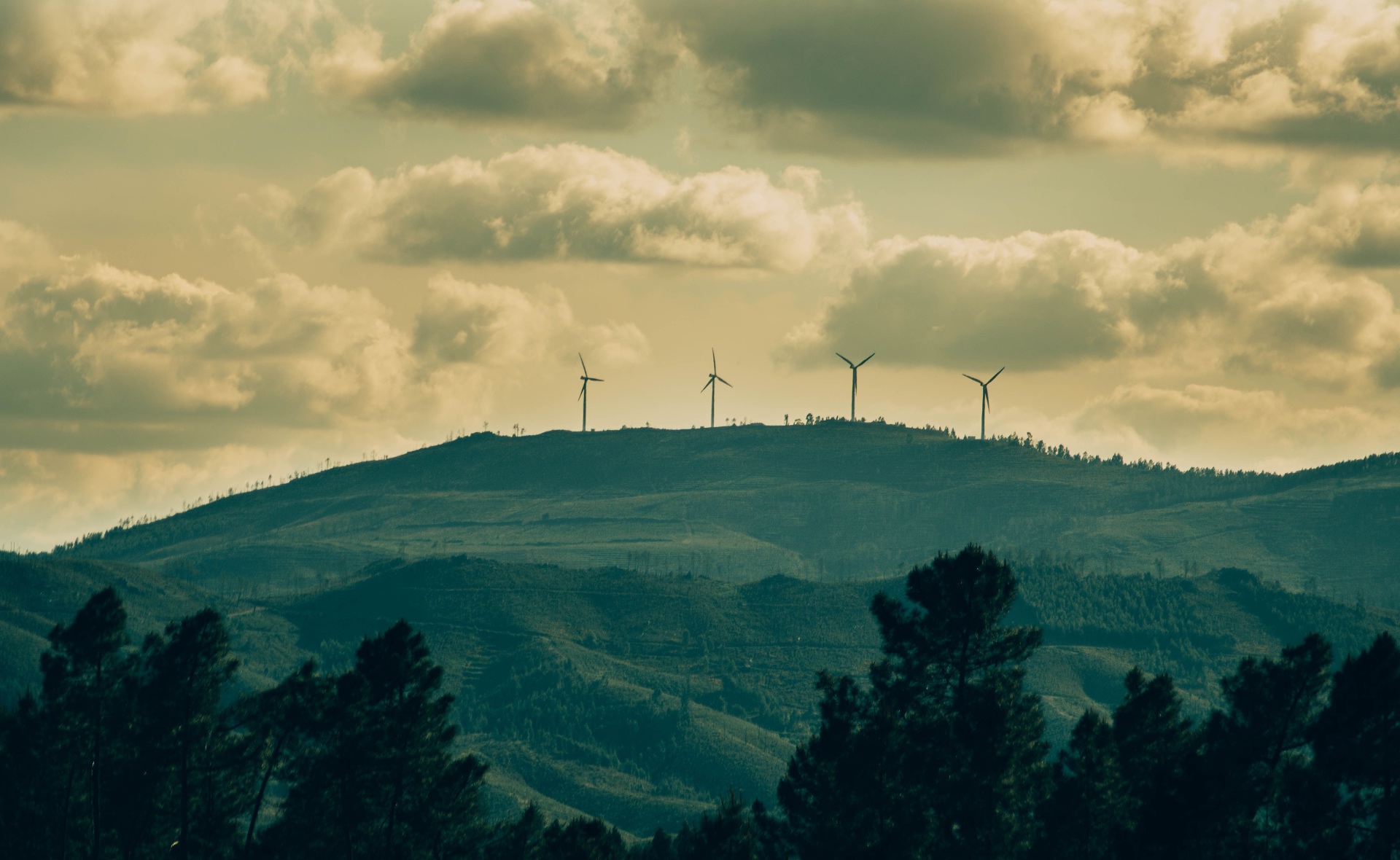
Climate shocks hit frontline communities first and hardest. The organisations closest to them — local CSOs, community institutions and grassroots networks — hold the knowledge and trust that effective climate action depends on. But knowledge alone does not move money. Most of these organisations run on thin teams, short grants and little room to build the systems, evidence and leadership that funders look for. Less than 10% of climate finance reaches the local level, and the organisations best placed to use it are often the least equipped to access it.
We work on that gap. Climate Asia strengthens the institutions behind locally led climate action, from adaptation and resilience to the clean energy transition. We help frontline organisations build the talent, systems, evidence and funder relationships they need to grow from small projects into durable institutions, and we work with funders and networks to route more flexible, long-term capital their way.
Goal: By 2030, strengthen 500+ frontline organisations across Asia so that locally led climate action reaches more than 10 million people with stronger livelihoods and lower climate risk.
02 — Green Jobs
Building Asia's Climate Workforce
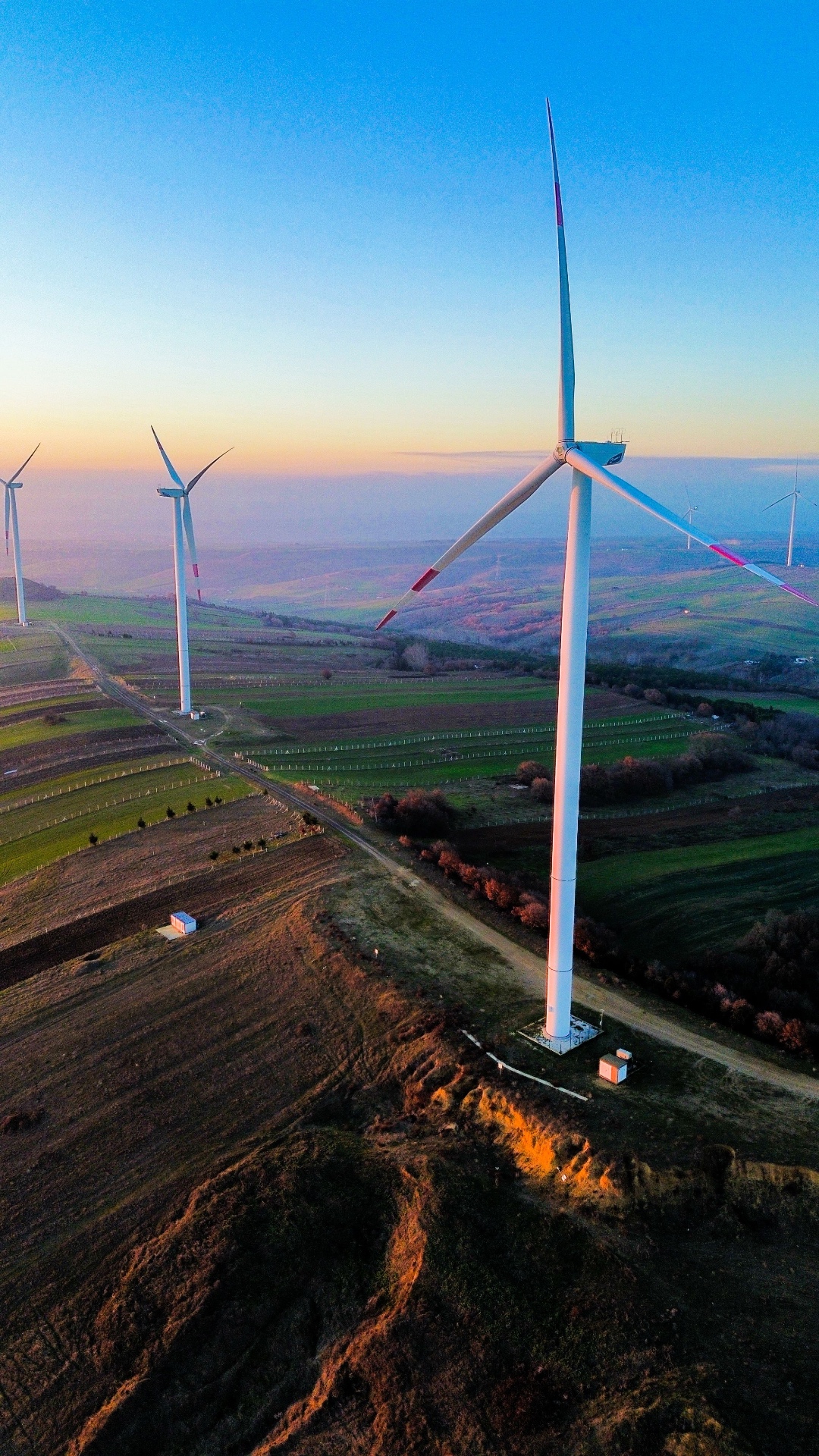
Asia's climate transition will be built by people who do not yet exist in the numbers required. Millions of jobs are opening in solar, wind, EV and grid infrastructure while training and placement systems lag years behind. At the same time, the organisations shaping how the transition happens, frontline CSOs, think tanks, state agencies, cannot find the policy, finance, data and leadership talent they need. Both gaps fall hardest on the workers and geographies the transition risks leaving behind.
We build the talent infrastructure for both. With training institutions and employers, we create pipelines and placement networks into clean energy work, starting where job growth is fastest and skilling weakest. With climate organisations and public agencies, we build the professional and leadership talent that decides whether the transition reaches people fairly.
Goal: By 2037, support 1 million people into climate work across Asia, from the grid to the institutions that govern it.
03 — Women's Leadership
Gender as a Mitigation Multiplier
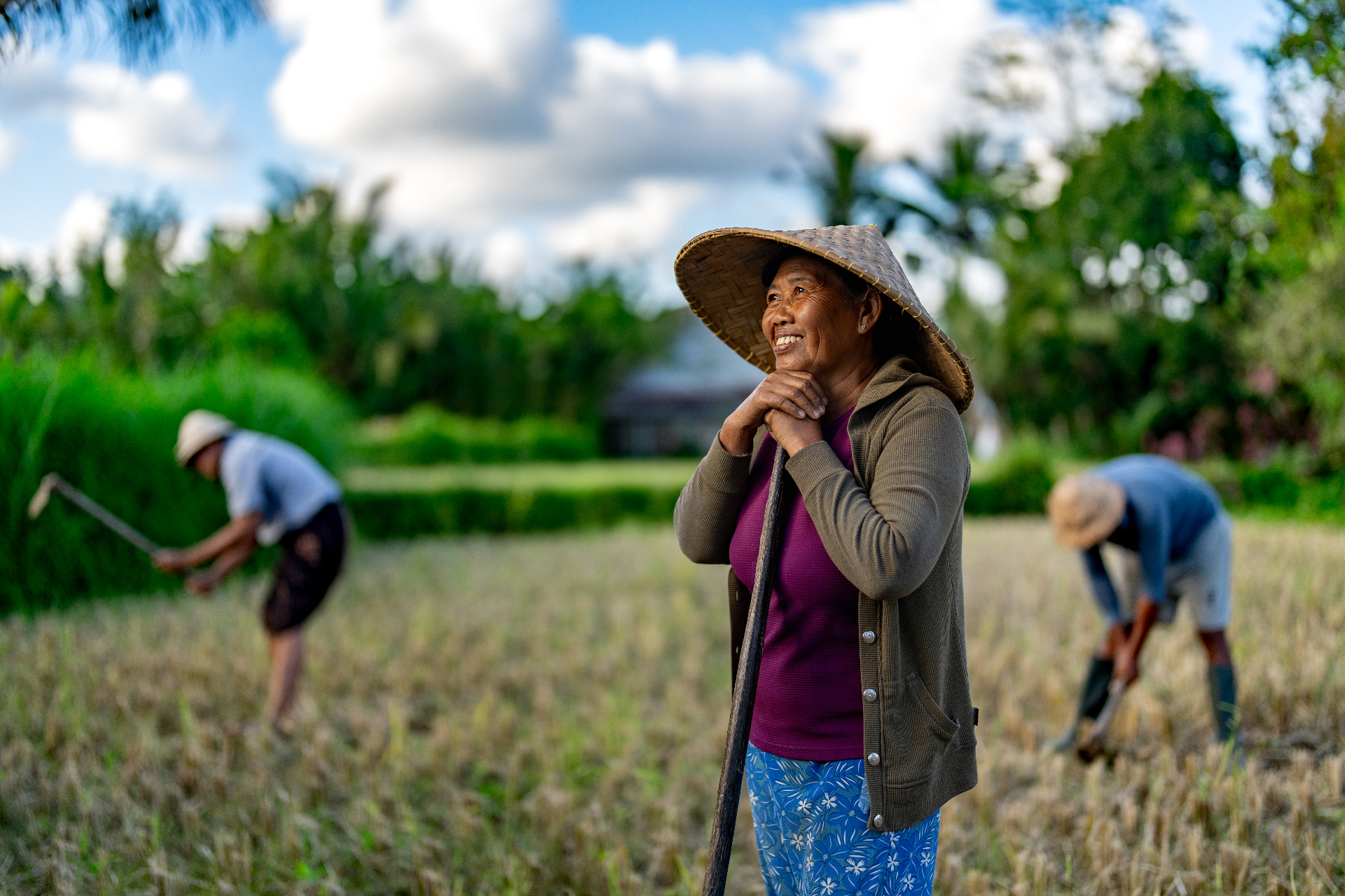
Women are not the beneficiaries of climate action. They are its primary delivery mechanism. They make the majority of household energy decisions, anchor agricultural systems across Asia's most climate-critical geographies, and drive the behaviour change that determines whether mitigation outcomes hold.
The evidence is now in the data. Côte d'Ivoire's climate-smart cashew sector created over 18,300 jobs between 2015 and 2023 — 66% of them held by women. Where gender is treated as core architecture, programmes deliver. Where it is treated as an add-on, they under-deliver.
EquiLead works with CSOs and funders to fix this, embedding gender into program design, data systems, and leadership pipelines. Not as an equity add-on. As a mitigation multiplier.
The economic case is settled. The question is whether action reaches the organisations closest to the frontline, fast enough.
About our Accelerator ProgramVoices of Change
Leading the
climate
conversation
“Every challenge posed by climate change is an opportunity to innovate, adapt, and lead. At Climate Asia, we are not just responding to the crisis. We are backing a generation of changemakers building the resilient economy Asia needs.”
Our Work
From the frontlines.

CSO Capacity Building · Pan-Asia
The Missing Middle: Fueling Asia's Climate Workforce
Climate solutions across South and Southeast Asia remain siloed — CSOs innovate in isolation, rarely learning from each other across borders, sectors, or issue areas.
Hover to read more →
CSO Capacity Building · Pan-Asia
The Missing Middle: Fueling Asia's Climate Workforce
Climate Asia addressed this directly: we enabled emerging leaders from frontline climate CSOs across the region through a capacity-building engagement that broke down those silos. We developed the leaders every CSO needs but few can build alone — and none can afford to lose.
30
Frontline CSOs developed in cohort
9
Countries represented in cohort
6
Months for lasting impact
Climate Talent
Talent as Infrastructure
Climate Asia reimagined talent as shared infrastructure, not a problem each organisation solves alone.
Hover to read more →
Climate Talent
Talent as Infrastructure
Over six months, we designed and piloted a centralised Project Management Unit for a cohort of climate organisations — co-creating roles, building structured talent systems, and embedding lasting capacity through repeatable processes and peer networks.
30
orgs in the pilot
~150,000
community members impacted
6
months

Gender Integration · EquiLead
Gender as Architecture, Not Add-On
Climate programs routinely under-deliver because they are designed without the people anchoring household energy, agricultural systems, and behaviour change at the centre. EquiLead fixes this at the design layer.
Hover to read more →
Gender Integration · EquiLead
Gender as Architecture, Not Add-On
Through targeted partnership, EquiLead works with frontline CSOs to audit existing programs, redesign program architecture, and build gender-disaggregated MEL systems — moving gender from a line item in a logframe to a core variable in how programs are built, measured, and scaled.
200+
CSOs supported across Asia
77%
of partner organizations redesigned programs with gender as core architecture
50,000+
women reached through partner programs
Stay Updated